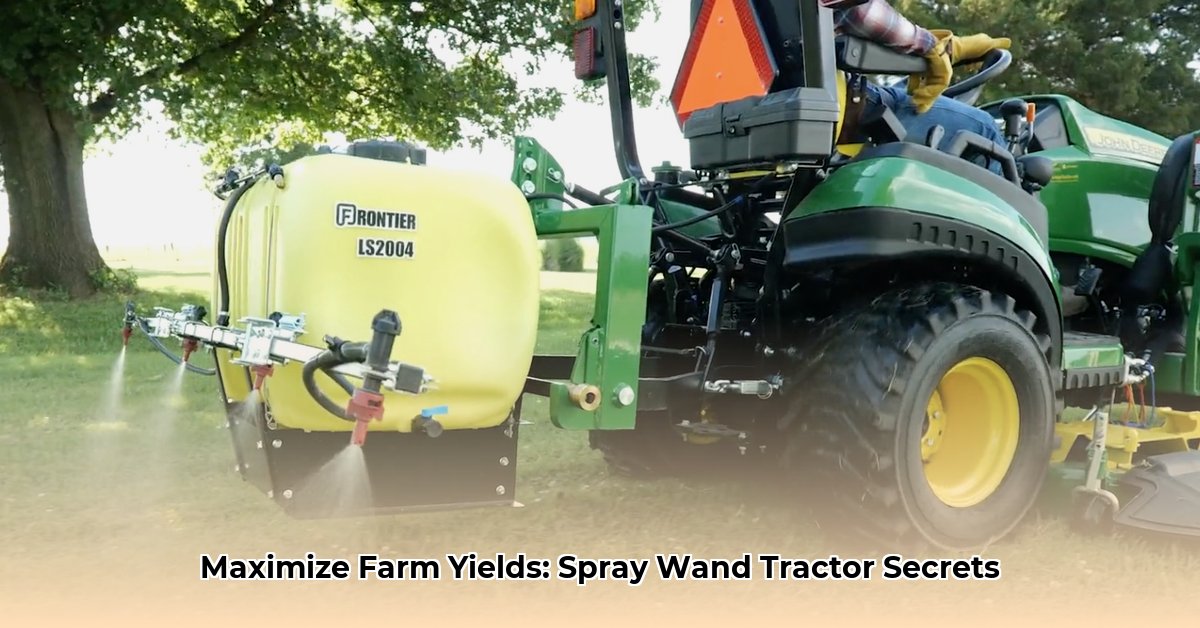
Spray Wand Tractor Supply: Maximizing Your Harvest
Thinking about upgrading your farm's spraying operations? A tractor-mounted spray wand can significantly improve efficiency and potentially boost your yields. This guide explores how to choose the right wand and optimize its use for maximum impact. Are you ready to streamline your spraying process and achieve better results? For more options on liquid fertilizers, check out Tractor Supply's offerings.
Selecting the Ideal Spray Wand: Key Considerations
Choosing the right spray wand isn't about selecting the most expensive model; it's about finding the best tool for your specific needs. What are your primary spraying targets? Pests? Herbicides? Fertilizers? Different crops and chemicals require different spraying approaches. Consider these crucial factors:
Tank Capacity: While a larger tank means fewer refills, saving valuable time, it also adds weight and may impact your tractor's maneuverability and storage capabilities. The ideal tank size depends on your field size and spraying frequency. Don't underestimate the importance of storage space when the tank isn't in use.
Nozzle Type: This is where precision becomes paramount. Different nozzles create various spray patterns. Some produce a fine mist, perfect for delicate plants, while others deliver a more forceful stream for tougher weeds. The appropriate nozzle depends on your target and its susceptibility to damage. Research indicates that proper nozzle selection is essential for optimal efficacy and crop protection.
Pressure Regulation: Many wands offer adjustable pressure settings. Excessive pressure can damage crops, while insufficient pressure may provide inadequate coverage. Experimentation is key to finding the optimal pressure for your specific application. Experts emphasize that precise pressure control is crucial for consistent results.
Material Durability: Most wands are made of plastic or stainless steel. Stainless steel offers superior durability and corrosion resistance, resulting in a longer lifespan. However, it's generally more expensive. Plastic wands are a budget-friendly alternative, but their longevity might be compromised when used with harsh chemicals.
Optimizing Spray Wand Usage: Techniques for Success
Even the most advanced spray wand won't magically boost your yields without proper usage. Effective application is paramount. Think of it as driving a high-performance vehicle—you need the right skills to unlock its full potential.
Calibration is Crucial: Before spraying, carefully calibrate your equipment to ensure even coverage and prevent chemical waste or potential crop damage. Inconsistent spraying leads to resource wastage and can harm your plants. Numerous online resources and your local agricultural extension office offer guidance on calibration techniques.
Maintain Consistent Speed: A steady speed during spraying ensures uniform application. Driving too fast results in patchy coverage, while driving too slow can cause runoff. Finding and maintaining the optimal speed is essential for effective spraying. Think of it like baking—consistency is a key ingredient for success!
Regular Maintenance is Essential: Clean your spray wand thoroughly after each use to prevent clogs and extend its lifespan. Regularly inspect it for leaks or damage; addressing small problems promptly prevents larger, more costly issues down the line.
Prioritize Safety: Always wear appropriate safety gear, including gloves, eye protection, and protective clothing. Working with chemicals requires unwavering attention to safety. Never compromise on your health and well-being.
Spray Wand Tractor Supply: A Comparative Analysis
Let's compare the advantages and disadvantages of using a tractor-mounted spray wand against other methods.
| Feature | Advantages | Disadvantages |
|---|---|---|
| Efficiency | Significantly increases spraying speed compared to manual methods. | Requires a substantial upfront investment. |
| Accuracy | Precise application minimizes waste and ensures uniform crop coverage. | Demands careful calibration and understanding of application techniques. |
| Coverage | Quickly and efficiently covers large areas, maximizing your time. | May not be suitable for all terrains or crop types. |
| Ergonomics | Reduces physical strain compared to manual spraying. | Requires operator training and familiarity with the equipment. |
| Cost-Effectiveness | Long-term cost savings due to increased efficiency and reduced chemical waste. | The high initial cost may be a barrier for some smaller farms. |
Investing in a high-quality spray wand is a long-term investment in your farm's health and productivity. By carefully considering your specific needs, diligently following safety protocols, and selecting the right equipment, you'll pave the way for a more efficient and profitable harvest. Remember, ongoing research continues to refine our understanding of optimal spray techniques—stay informed and adapt your methods accordingly.
Key Takeaways:
- Precision spraying translates to significant cost savings on chemicals.
- Reduced chemical usage minimizes environmental impact.
- Selecting the appropriate spray wand directly enhances yield potential.
- Mastering proper application techniques is essential for optimal outcomes.
(Note: This article is a general guide and does not constitute professional agricultural advice. Always consult with relevant experts for specific recommendations tailored to your farm and crops.)